Zenon Clinic blog
Pigmentation Treatment in Budapest: Preparation, Timing and Aftercare
If you are planning pigmentation treatment in Budapest, this guide explains what needs to be clarified before treatment, which method may suit which type of spot, how many sessions and what costs to expect, how to care for your skin afterwards, and what you can do to help prevent spots from returning.
Tartalomjegyzék
- Diagnosis first: pigmentation spot or mole?
- Which treatment may suit which type of spot?
- How to prepare for pigmentation treatment
- How many sessions, and how far apart?
- Aftercare and preventing pigmentation from returning
- How much does pigmentation treatment cost?
- Pigmentation treatment at Zenon Clinic
- Frequently asked questions about pigmentation treatment
Pigmentation treatment is rarely a single appointment: preparation, one or more sessions, aftercare and follow-up together determine the result. Knowing what is involved in advance makes it easier to plan around sun exposure, holidays and your daily life.
Key takeaways
A pigmentation spot and a mole are not the same: if a spot is new, changing or of uncertain origin, a dermatological examination comes first, not treatment.
The method depends on the type of spot: sun spots, post-inflammatory pigmentation and melasma are treated differently.
The number of sessions and the time between them vary by method and by person; there is no one-size-fits-all course.
Redness, swelling and peeling may occur afterwards; sun protection is essential before and after treatment.
The cost depends on the treated area, the number of spots and the number of sessions.
Diagnosis first: pigmentation spot or mole?
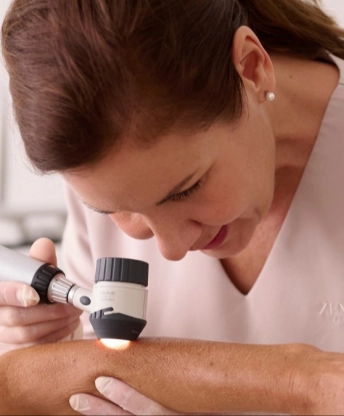
A brown spot may be a sun spot, discolouration left after inflammation, melasma, or a mole or other lesion that needs assessment. According to DermNet, an irregular sun spot can sometimes be hard to distinguish from melanoma. So if a spot is new, growing, darkening, changing in shape or colour, itchy, bleeding or looks different from the others, do not start with treatment: have it examined by a dermatologist first.
You can read about pigmentation types and the clinic's approach on Zenon Clinic's pigmentation page. This guide is for when you already know that you want to treat a pigmentation spot.
Which treatment may suit which type of spot?
Sun spots (solar lentigines): according to DermNet, they are benign and only need treatment for cosmetic reasons; laser, light-based treatment or freezing may be options, but they can leave temporary or permanent lighter or darker marks.
Post-inflammatory hyperpigmentation: the AAD explains that the underlying cause (such as acne, eczema or irritation) needs to be treated first; many spots then fade gradually on their own.
Melasma: according to the AAD, treatment is based on sun protection and topical medication; some studies suggest that adding a laser or light treatment may improve results.
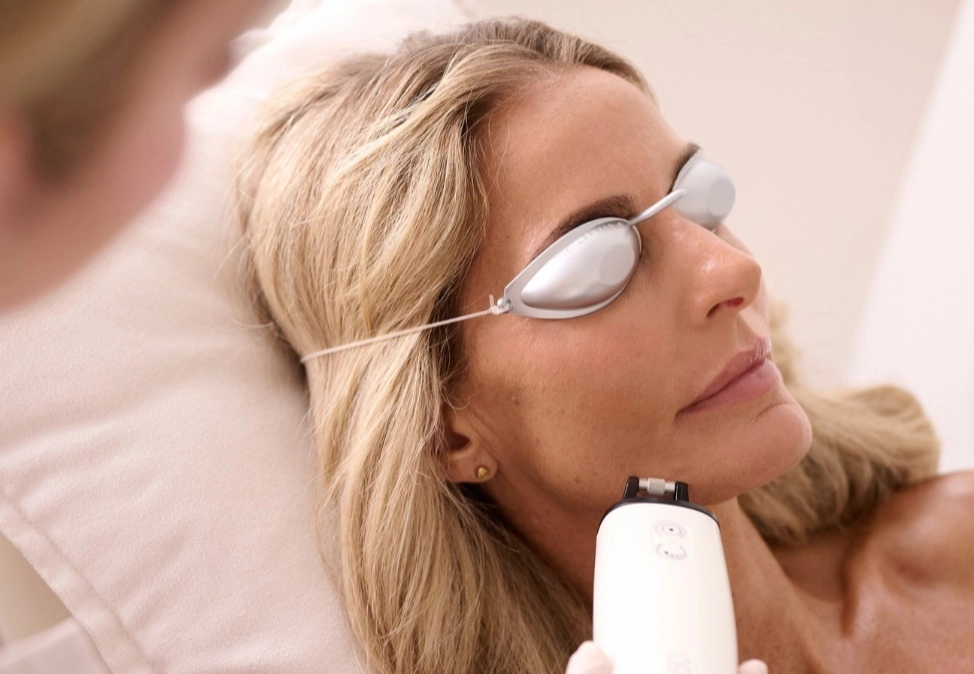
Zenon Clinic offers IPL treatment for hyperpigmentation, laser pigmentation removal and pico laser pigmentation treatment, as well as a dedicated pico laser melasma treatment. According to the clinic, IPL is mainly suitable for lighter to medium skin types. Which method, which settings and who performs the treatment (a doctor or a skin therapist) are decided after your assessment.
How to prepare for pigmentation treatment
Explain how long you have had the spot and whether it has changed; mention any previous treatment.
Tell your practitioner if you have recently sunbathed, been sunburnt or have a tan, or if you use sunbeds; this can affect when the area can be treated. Ask how long you need to wait.
List your skincare products, especially those with active ingredients (acids, retinoids), and any medication; do not change these on your own.
Ask whether you can arrive wearing make-up and whether you need to stop using anything before treatment.
Do not treat the area yourself with scrubs or by picking shortly before your appointment.
Zenon Clinic's IPL page notes that you should pay extra attention to UV protection during a course of IPL treatment; ask which sunscreen to use, when and for how long.
How many sessions, and how far apart?
The number of sessions depends on the type, depth and extent of the pigmentation and on the chosen method; a small sun spot and extensive melasma need different plans. According to Zenon Clinic, the number of treatments needed to remove pigmentation spots varies from person to person. There is no universal course of four to eight sessions or fixed interval: the skin needs time to heal between treatments, and your doctor decides on the timing of the next session based on the method, the settings and how your skin has healed.
Factor sun protection into your planning: if you have a holiday or a lot of outdoor activity coming up, discuss how treatment can fit around it. According to the AAD, even with consistent treatment, melasma usually takes around 3–12 months to fade noticeably.
Aftercare and preventing pigmentation from returning
Redness, swelling, sensitivity and peeling may occur after treatment, so do not judge the result immediately. According to Patient.info, post-inflammatory pigmentation can develop after laser treatment of sun spots; this is also assessed at follow-up. Do not scrub peeling skin, do not pick at crusts, and do not exfoliate at home.
Sun protection remains one of the most important steps after treatment. For both melasma and post-inflammatory pigmentation, the AAD recommends a broad-spectrum sunscreen with SPF 30 or higher, shade and a wide-brimmed hat, and also suggests a tinted sunscreen containing iron oxide. When you can start applying sunscreen to freshly treated skin, and how long to avoid sunbathing, sunbeds, saunas or swimming, depends on the method; follow the aftercare instructions you are given.
Treatment targets the visible spot but does not necessarily remove the underlying cause: if your skin is exposed to a lot of sun again, new spots may appear, and according to the AAD, melasma tends to return even after treatment. If symptoms worsen, or the skin blisters or breaks down, do not wait for your follow-up appointment; contact the clinic.
How much does pigmentation treatment cost?
According to Zenon Clinic's price list and laser pigmentation removal page (as of November 2026), for example:
IPL hyperpigmentation treatment: from HUF 50,000
Pico laser pigmentation treatment, 1–3 spots up to 5 mm: HUF 53,000; 3–6 spots up to 5 mm: HUF 90,000
Pico laser melasma treatment, full face: HUF 126,000 per session
The total cost depends on the treated area, the number and size of spots and the number of sessions, as well as the cost of the initial assessment and follow-up. Ask for a quote that shows these separately, and check current prices before booking.
Pigmentation treatment at Zenon Clinic
At Zenon Clinic, your spot and skin condition are assessed before treatment, and if the lesion is not clearly a benign pigmentation spot, it is examined first. You can find out more about the available options on the pigmentation and laser treatments pages.
If you would like to discuss which treatment suits your spot:
Frequently asked questions about pigmentation treatment
When should I see a dermatologist first?
If a spot is new, growing, darkening, changing in shape or colour, itchy, bleeding or different from your other spots. In these cases, do not start with treatment: a dermatological examination determines what the spot is and whether it can be treated for cosmetic reasons.
How does laser pigmentation treatment work?
The skin and the spot are assessed first, then the practitioner chooses the method and settings. You may feel discomfort or mild pain during treatment, and redness, swelling or peeling afterwards; follow the aftercare instructions you are given.
Who is suitable for pigmentation treatment?
People whose examination confirms a benign pigmentation spot that bothers them cosmetically. The method depends on the type and location of the spot and on skin type; according to Zenon Clinic, IPL is mainly suitable for lighter to medium skin types.
How much time should pass between two treatments?
Your doctor decides this based on the method, the settings and how your skin has healed; there is no universal interval. If your skin is still irritated or has not healed, mention this before the next session.
Which is most effective: laser, IPL, peels or creams?
No single method works best for every spot. Laser or IPL may suit sun spots, post-inflammatory pigmentation needs the cause treated first, and melasma relies on sun protection and topical treatment; your dermatologist will recommend the right approach.
Can pigmentation return after treatment?
Yes, especially if your skin is exposed to a lot of sun again; according to the AAD, melasma tends to return even after treatment. Consistent sun protection reduces this risk.
How should I plan the total cost?
Ask for a quote showing the treated area, the number of spots, the expected sessions and the cost of the initial assessment and follow-up. The number of sessions may change depending on your skin's response. Book an appointment