Zenon Clinic blog
Scar Treatment in Budapest: Tightness, Sensitivity and Realistic Goals
Scar treatment in Budapest starts with the type of scar and the problem it causes: the approach differs depending on whether the appearance bothers you or the scar feels tight, itchy or sensitive. This guide explains the main types of scars, when treatment can start, which methods may be considered, what results are realistic, and why an episiotomy scar is a separate matter.
Tartalomjegyzék
- What types of scars are there, and what problems can they cause?
- When can scar treatment start?
- Which treatments may be considered?
- Realistic goals and risks
- Episiotomy scars: why are they a separate concern?
- How to prepare for a scar treatment consultation
- How much does scar treatment cost?
- Scar treatment at Zenon Clinic
- Frequently asked questions about scar treatment
A scar can still be bothersome long after it has healed. The good news is that the appearance and discomfort of most scars can be improved, although completely removing a scar is rarely a realistic goal.
Key takeaways
Flat, raised (hypertrophic), keloid and depressed scars need different treatments.
A scar keeps changing for months or even years; your doctor decides on timing, and wound care comes first for a fresh wound.
Silicone, laser, IPL, injections, freezing or surgery may be options; none suits every scar.
Completely removing a scar is generally not realistic, but its appearance and symptoms can improve; treatments also carry risks.
After an episiotomy, pain lasting longer than 2–3 weeks or a tight scar needs a gynaecological assessment.
What types of scars are there, and what problems can they cause?
A scar is a mark left by wound healing. According to the AAD, different types of scars need different treatments, and your age and how long you have had the scar also affect what works best. The more common types are:
Flat, discoloured scar: redder, darker or lighter than the surrounding skin.
Hypertrophic scar: raised, but stays within the boundary of the original wound.
Keloid: raised and grows beyond the boundary of the original wound; it may itch or hurt.
Depressed (atrophic) scar: for example, after acne or chickenpox.
Besides appearance, a scar can cause physical symptoms: it may pull when you move, feel tender to the touch or itch. According to the AAD, many scars can be treated if they make you feel uncomfortable around others, cause pain or restrict movement. Before your consultation, note what bothers you most: colour, height, tightness or sensitivity.
When can scar treatment start?
Wound closure and scar maturation are separate processes. According to Zenon Clinic's laser scar treatment page, a scar is initially reddish and may be raised during the first 6–12 months, then gradually contracts and becomes paler, and its surface can keep changing for years. The AAD notes that a dermatologist can tell you whether a scar is likely to fade with time and when to treat it for the best results.
With a fresh wound, follow your wound-care instructions first. According to the AAD, never apply a silicone gel sheet to a scab or open wound, only once it has healed. Do not start cosmetic scar treatment, scar massage or device treatment yourself simply because a few weeks have passed; your doctor decides on timing based on wound closure, the condition of the scar and the method.
Which treatments may be considered?
According to the AAD's scar treatment guidance, the options include:
Silicone gel or sheets: for raised scars, may reduce size, hardness, redness and itch; usually worn daily, often for months.
Laser and other light treatments: can reduce the appearance of raised scars and keloids, often combined with injections.
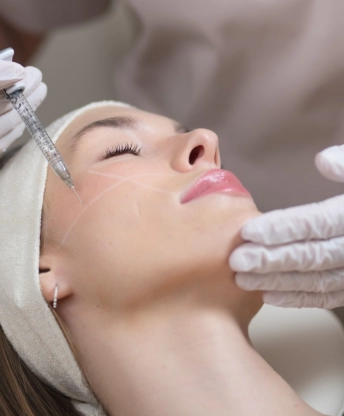
Corticosteroid injections: may reduce the size, itch and pain of raised scars and keloids. Possible side effects include the scar returning, thinning skin and dark spots at the injection site.
Freezing (cryotherapy): to reduce the size of a raised scar or keloid; according to the AAD, it may not be recommended for darker skin.
Scar surgery: usually an option when other treatments have not helped, or if the scar restricts movement. A scar can return after removal.
Keloids need a specific approach. According to the AAD, 50–80% of keloids shrink after injection treatment, but they can recur after surgery, so several methods are often combined. A tendency to form keloids does not rule out all treatment, but it influences which options are suitable.
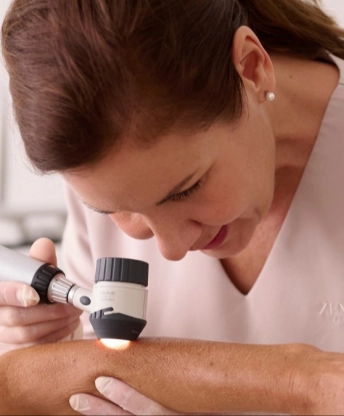
According to Zenon Clinic's scar treatment page and price list, the clinic offers IPL, CO2 and fractional laser treatment, pico laser scar treatment, injectable scar treatment, surgical scar revision and scar follow-up with video dermatoscope recording. Which option suits you is decided after your assessment.
Realistic goals and risks
The aim of scar treatment is to improve appearance or reduce discomfort, not to erase the scar. Think about which change would matter most to you: a paler colour, a flatter surface, less itching or easier movement.
Risks depend on the method. Redness, swelling and tenderness can occur after almost any treatment; some procedures may also cause infection, pigment changes or further scarring. The final result can only be judged months later, so do not assess it immediately after treatment. The number of sessions and the intervals between them depend on the type of scar and the method; your doctor decides on these and may adjust them according to how your skin responds.
When should you contact your doctor after treatment? Do not wait for your planned follow-up if you have worsening pain, spreading redness, pus or fever. Ask in advance whom to contact in such cases.
Episiotomy scars: why are they a separate concern?
Problems with an episiotomy scar are not only cosmetic. According to the NHS, it is unusual for pain after an episiotomy to last longer than 2–3 weeks; if it does, speak to a doctor. The NHS also notes that some women develop excessive, raised or itchy scar tissue where the episiotomy was done, and if this causes problems, they should tell their doctor. Signs of possible infection include stitches becoming more painful, smelly discharge, or red, swollen skin; in that case, seek medical advice promptly.
According to the NHS, pain during sex is common in the first few months; if it does not ease, say so. Episiotomy scar problems should be assessed by a gynaecologist. Depending on the cause, scar massage, physiotherapy or other treatment may be considered, but start these only after appropriate healing and with individual guidance.
How to prepare for a scar treatment consultation
The scar's history: when and how it formed, whether it has changed, whether it has been treated.
Your symptoms: what bothers you most, and which movement or touch triggers it.
Photos: pictures taken in similar lighting help with later comparison.
Medication and history: especially anticoagulants, photosensitising medicines, previous healing problems or keloids, pregnancy or breastfeeding.
Sun exposure: mention recent sunburn or sunbed use, as this may affect the timing of some light and laser treatments.
According to Zenon Clinic's laser scar treatment information, laser scar treatment cannot be performed while you are taking photosensitising or blood-thinning medication. Never stop taking your medication on your own because of treatment; your doctors should agree on this together.
How much does scar treatment cost?
According to Zenon Clinic's price list (as of November 2026), for example:
Scar treatment with medical IPL, with follow-up: under 20 pulses HUF 55,000, over 20 pulses HUF 76,000 per session
CO2 laser treatment for scars: from HUF 80,000
Pico laser scar treatment: per treatment area (about the size of a 200 HUF coin) HUF 76,000, full face HUF 139,000 per session
The total cost depends on the size, location and type of the scar, the method and the number of sessions; the fee for surgical revision and injectable treatment is given after assessment. Ask what the price includes (assessment, anaesthesia, follow-up), and check current prices before booking.
Scar treatment at Zenon Clinic
At Zenon Clinic, the type of scar and your symptoms are assessed, and suitable treatment options are discussed. If it is unclear whether a lesion is a scar, or if a scar bleeds, breaks down or grows quickly, a dermatological examination is the right first step. For episiotomy scar problems, start with a gynaecological examination.
Frequently asked questions about scar treatment
What problems can a scar cause?
Beyond a noticeable colour or raised surface, a scar may pull, itch or hurt and can restrict movement. Note which movement or touch triggers your symptoms.
When can scar treatment start after surgery or injury?
Your doctor decides based on wound closure, the condition of the scar and the method. With a fresh wound, wound care comes first; only apply silicone sheets to healed skin.
Can a scar be removed completely?
Usually not, but its appearance and symptoms can improve. An assessment will show what is realistic for you.
Can keloids be treated?
Yes, but they need a specific approach. According to the AAD, 50–80% of keloids shrink after injections, but they can recur after surgery, so several methods are often combined.
When will I see results?
A scar changes over months, sometimes longer, so results are assessed at follow-up rather than immediately after treatment. The number of sessions depends on the scar type and the method.
Why is an episiotomy scar a separate concern?
Because pain or tightness may have a gynaecological cause. According to the NHS, if pain lasts longer than 2–3 weeks, or the scar is raised or itchy, speak to a doctor; a gynaecologist should assess treatment.
Which symptoms need medical advice after treatment?
Contact your doctor promptly for worsening pain, spreading redness, pus or fever; do not wait for your planned follow-up. Book an appointment
További cikkek a témában