Zenon Clinic blog
Stretch Mark Treatment in Budapest: Options and Realistic Expectations
Stretch mark treatment in Budapest starts with working out how new the marks are and what you want to achieve: stretch marks are permanent, scar-like changes that can be faded but not removed completely. This guide explains what may help at home and in clinic, who should not have treatment, how many sessions and what costs to expect, and what results are realistic.
Tartalomjegyzék
- What are stretch marks, and why do they appear?
- What can you do at home?
- Which in-clinic treatments may be considered?
- Who should not have treatment, and what to consider beforehand
- How many sessions, and when will you see results?
- Risks and aftercare
- How much does stretch mark treatment cost?
- Stretch mark treatment at Zenon Clinic in Budapest
- Frequently asked questions about stretch mark treatment
Stretch marks are very common: they can appear after pregnancy, rapid weight gain or loss, growth spurts in adolescence or muscle gain. They are usually not a health risk, but many people find them bothersome.
Key takeaways
According to the AAD, stretch marks are permanent like any scar, but treatment can make them less noticeable.
New, reddish-purple marks respond better to treatment than older, white, sunken ones.
Home products may help mainly with new stretch marks; tanning makes the marks more noticeable.
In-clinic treatments (laser, radiofrequency microneedling, microneedling) can fade stretch marks, but none removes them.
Laser treatment cannot be performed during pregnancy, breastfeeding, active skin infection or fever, or while taking blood-thinning or photosensitising medication.
What are stretch marks, and why do they appear?
A stretch mark is damage to the skin's connective tissue that heals as a scar. According to the AAD, new stretch marks are red, purple, pink, reddish-brown or dark brown depending on skin colour, may feel slightly raised and can itch. Over time, the colour fades and the bands sink beneath the skin; if you run your finger over a mature stretch mark, you often feel a slight depression.
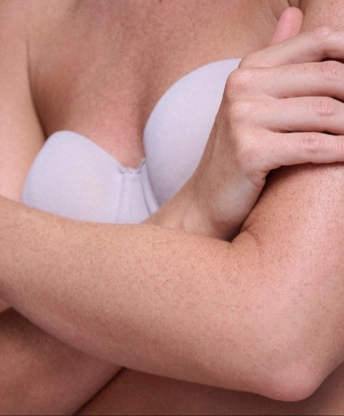
They most often appear on the abdomen, hips, thighs, buttocks, breasts and upper arms, running across the direction of skin tension. According to Zenon Clinic's laser stretch mark removal page, common causes include pregnancy, weight gain or loss, sudden growth in adolescence, increased muscle mass and genetic predisposition. If marks appear in an unusual place, without an obvious cause or in many areas at once, have them checked by a dermatologist, as there may be another underlying reason.
What can you do at home?
According to the AAD, home products work best on new stretch marks and have little effect on mature ones. If you try one, use it every day, massage it in, and expect results to take weeks. In studies, hyaluronic acid and tretinoin (a prescription retinoid) made new stretch marks less noticeable; retinol may also help.
Do not use retinoids during pregnancy or breastfeeding, and always discuss prescription tretinoin with a doctor. Tanning does not remove stretch marks; according to the AAD, it makes them more noticeable because they do not tan, although a self-tanner can temporarily camouflage them.
Which in-clinic treatments may be considered?
According to the AAD, dermatologists can use chemical peels, laser therapy, microdermabrasion and radiofrequency to make stretch marks less noticeable, but none of these removes them. According to Zenon Clinic's stretch mark removal page, the clinic offers:
[Fractional laser stretch mark treatment](enlezstria): the laser triggers tissue renewal in the treated area.
[Morpheus8 radiofrequency microneedling](enm8): radiofrequency energy heats the deeper layers of the skin through microneedles.
SkinPen® microneedling, CO2 laser resurfacing and non-ablative laser rejuvenation, as complementary options.
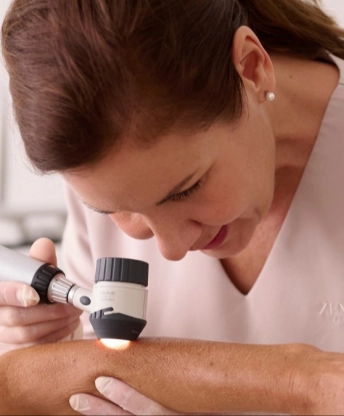
According to Zenon Clinic, the newer the stretch mark, the more effective the treatment; older, white, sunken marks need a longer treatment plan. Which method suits you is decided at your assessment, based on the colour, depth and extent of the marks and your skin type.
Who should not have treatment, and what to consider beforehand
According to Zenon Clinic, laser stretch mark treatment cannot be performed during pregnancy, breastfeeding, active skin infection or a feverish illness, or while taking blood-thinning or photosensitising medication. Never stop any medication on your own because of treatment; your doctors should agree on this together.
Mention recent sunbathing, sunburn, sunbed use or a tan; this may affect the timing of treatment.
Tell your practitioner about any injury, irritation or unusual change in the area to be treated.
List previous stretch mark treatments and products you have used.
If you are not sure the marks are stretch marks, have a dermatological examination first.
How many sessions, and when will you see results?
The number of sessions and the intervals between them depend on the method, the age and extent of the stretch marks and how your skin responds; there is no universal course. Change is gradual, so do not judge the immediate appearance as the final result. Ask for your baseline condition to be documented before treatment and agree when the first review will take place. For photos, use the same lighting, distance and body position.
Risks and aftercare
Redness, swelling, tenderness and peeling may occur after treatment. The FDA's 2025 safety communication on radiofrequency microneedling describes reports of burns, scarring and nerve damage with certain uses; this is not frequency data, but it shows why risks should be discussed in advance. Sun protection is especially important after treatment; follow the aftercare instructions you are given on when to start sunscreen, which product to use and how long to avoid the sun.
Do not wait for your follow-up if pain worsens, the skin blisters, or there are signs of infection (spreading redness, pus, fever): contact your practitioner.
How much does stretch mark treatment cost?
According to Zenon Clinic's price list (as of November 2026), Morpheus8 stretch mark treatment on an area the size of two palms costs HUF 150,000 per session. Prices for laser stretch mark treatment and other methods are on the price list. Compare quotes only for the same area and method, and ask how many sessions and what follow-up are planned.
Stretch mark treatment at Zenon Clinic in Budapest
At Zenon Clinic, the condition of your stretch marks and skin is assessed before treatment, and the suitable method is discussed with you. If it is unclear whether the marks are stretch marks, a dermatological examination is the right first step.
Frequently asked questions about stretch mark treatment
Can stretch marks be removed completely?
No. According to the AAD, stretch marks are permanent like any scar, but treatment can make them less noticeable.
Which stretch marks respond better: new or old?
New, reddish-purple stretch marks respond better. Home products have little effect on old, white, sunken marks, and in-clinic treatment also needs a longer plan for them.
Do creams help with stretch marks?
Mainly for new stretch marks: according to the AAD, hyaluronic acid and tretinoin made them less noticeable in studies. Do not use retinoids during pregnancy or breastfeeding.
Which in-clinic treatments may be considered?
Fractional laser, Morpheus8 radiofrequency microneedling, SkinPen microneedling or CO2 laser resurfacing. Which one suits you is decided at your assessment.
Who should not have laser stretch mark treatment?
According to Zenon Clinic, it cannot be performed during pregnancy, breastfeeding, active skin infection or fever, or while taking blood-thinning or photosensitising medication.
How many sessions will I need?
It depends on the method and the age and extent of the marks; a universal number cannot be given without assessment. Ask when the first result will be reviewed.
How much does stretch mark treatment cost?
According to Zenon Clinic's November 2026 price list, Morpheus8 stretch mark treatment on an area the size of two palms costs HUF 150,000 per session; prices for other methods are on the price list. Book an appointment